


How Robotic Assistance is Transforming Everyday Living
In the heart of contemporary households, a silent revolution is unfolding. The integration of robotic assistance is transforming everyday living, not just by streamlining chores but also by fostering emotional connections and enhancing overall well-being. Whether it’s a sleek robotic vacuum that tidies up while you unwind or a companion robot that provides solace to lonely hearts, these innovations are redefining what it means to share a home. In this article, we’ll explore the myriad ways robotic assistance is shaping our homes and lifestyles, making life easier, more comforting, and ultimately more enjoyable.
Table Of Content
What is Robotic Assistance?
Robotic assistance refers to the utilization of robotic technology to aid individuals in their daily tasks. This includes a broad spectrum of devices ranging from autonomous cleaning robots to social robots designed to provide companionship and support. In essence, these robots are tailored to meet the needs of their human counterparts, enhancing our living spaces with their presence. The emergence of robotics in home environments has been facilitated by rapid technological advancements, making them highly efficient and increasingly affordable for households.
Benefits of Robotic Helpers in Daily Life
The most immediate benefit of robotic assistance is its ability to lighten the load of everyday chores. Imagine coming home to a clean space, where the floors are spotless, thanks to an autonomous vacuum that worked diligently while you were away. This doesn’t just save time; it also elevates your living experience, creating an atmosphere of relaxation and comfort.
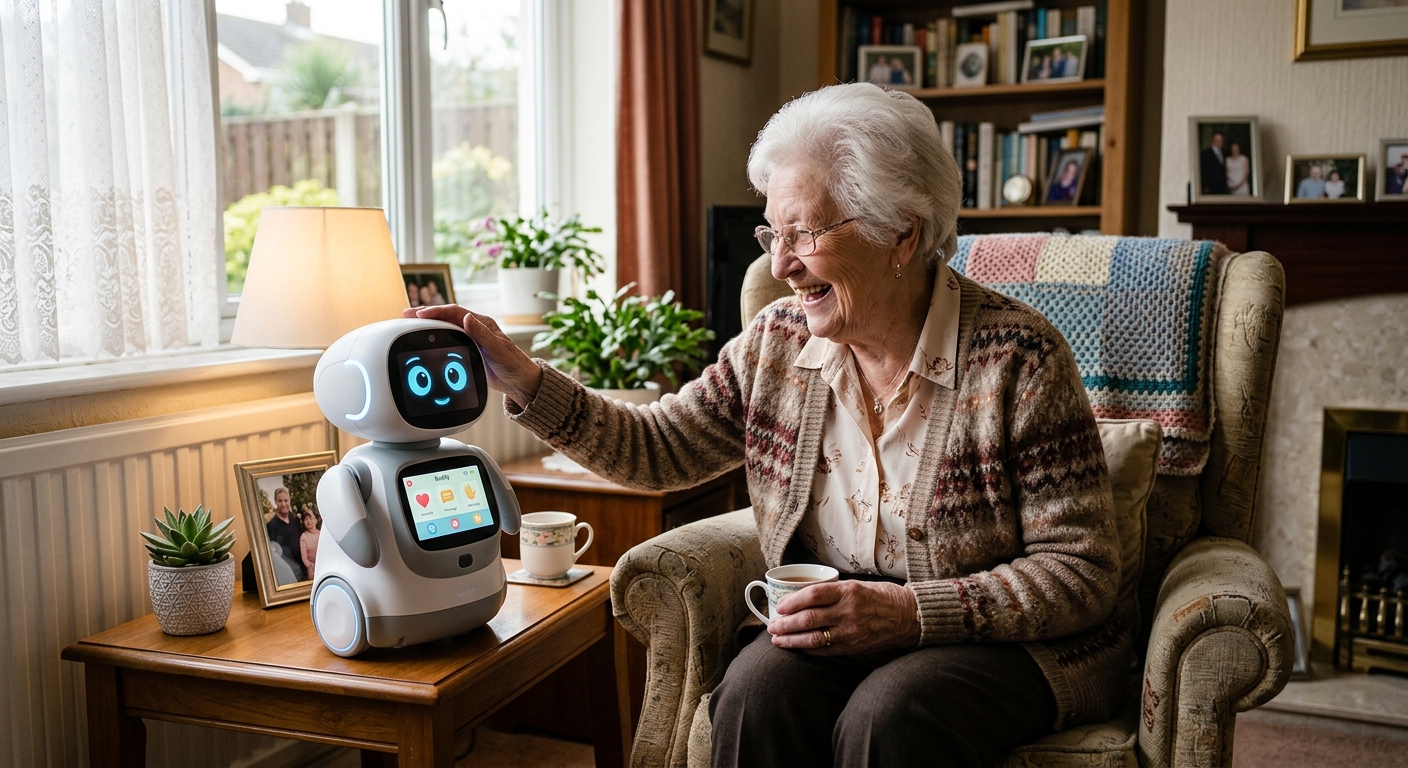
Moreover, robotic assistance encapsulates practicality and emotional benefits that resonate deeply with homeowners and renters alike. For instance, social robots are being designed to help combat loneliness, particularly among older adults or individuals with cognitive challenges. By providing companionship, they foster emotional well-being, which is crucial for enhancing the quality of life. This dual trajectory of practical assistance coupled with emotional support underscores the potential of robotics in our homes.
Transforming Daily Routines
One of the most appealing aspects of integrating robotic assistance into our homes is the transformation of daily routines. Tasks that once felt daunting can now be optimized through strategic automation. Consider how a robotic vacuum can handle daily floor cleaning. This innovative device not only saves you time but also ensures that your home remains welcoming and aesthetically appealing at all times.
In addition to cleaning, intelligent home assistants can help manage schedules. Imagine a peaceful morning where you sip your coffee while your robotic assistant fetches the perfect playlist to set the mood. These devices leverage technology to streamline everyday rituals and enhance our experiences within our homes.
Real-Life Examples of Robotics in Homes
The rise of robotic assistants is not merely theoretical; real examples abound in North American homes. The global market for cleaning robots, for instance, is projected to soar from USD 5,979.1 million in 2024 to USD 21,007.3 million by 2030. This remarkable growth indicates that more families are embracing the help of these machines.
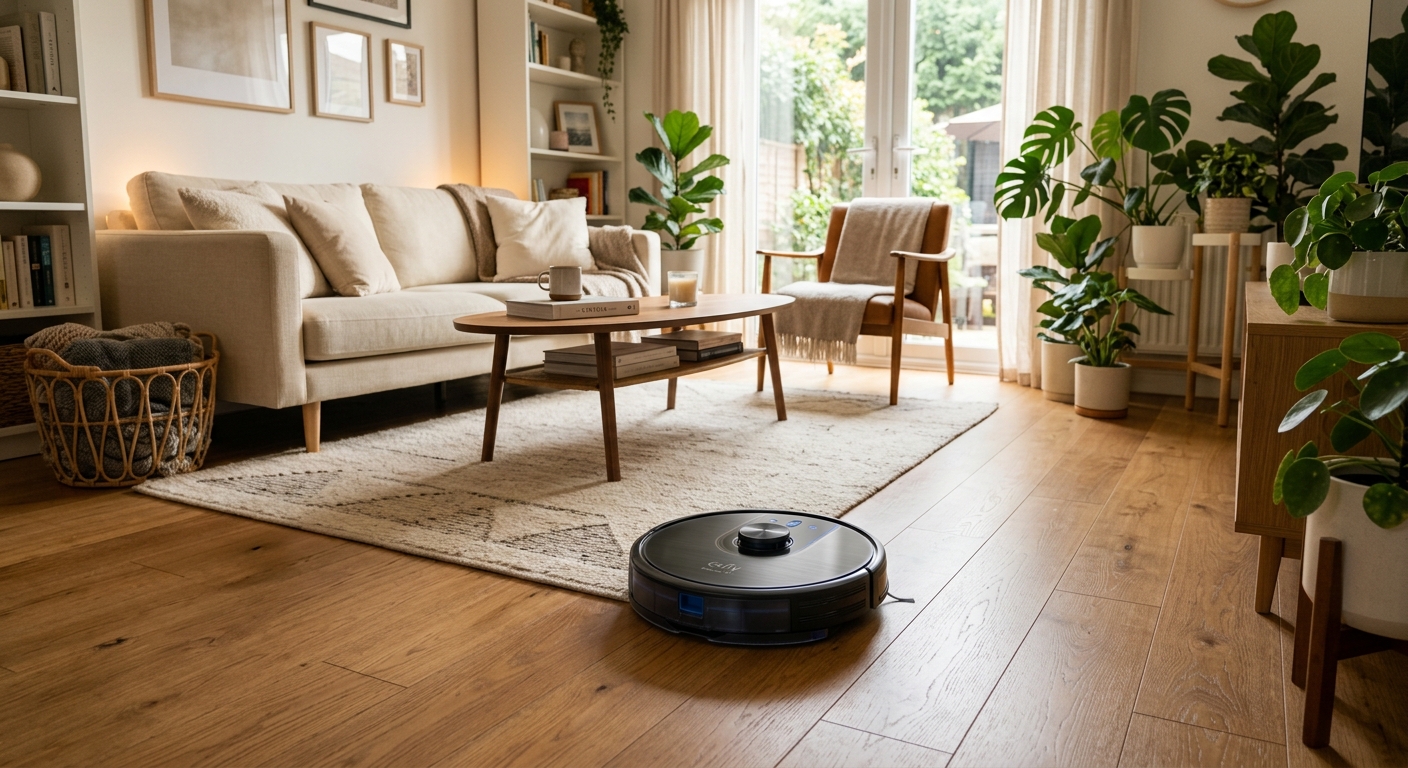
Brands like iRobot have revolutionized the cleaning landscape with innovative products like the Roomba Combo 10 Max. This advanced 2-in-1 cleaning robot not only vacuums but also mops, providing a comprehensive cleaning solution that meets the varied demands of busy households. The introduction of features such as auto-cleaning docks shows how manufacturers are enhancing the usability of such devices, making them indispensable companions in modern homes.
Beyond cleaning, robotic companionship is gaining traction in elder care. In Vancouver, Canada, the introduction of robots like Kiwi and Mango within care homes is emphasizing the importance of social robots in support settings. Early indications show positive responses from those experiencing interactions with these robots, igniting discussions about the future of human-robot relationships, especially in the context of aging.
Enhancing Emotional Well-Being
One of the compelling arguments for robotic assistance lies in its potential to enrich emotional well-being. The interplay between humans and robots is a developing field of research, with focus on how these interactions foster feelings of safety, companionship, and engagement. For elderly individuals, particularly those living alone, social robots can provide a sense of engagement which may mitigate feelings of isolation.
However, the adoption of such technologies is not without challenges. Privacy concerns loom large, influencing people’s willingness to embrace the use of social robots. As home robotics gain traction, the concept of data privacy becomes critical. Homeowners must feel secure that their interactions with these robots are respected and safeguarded. This aspect heightens the demand for transparency and ethical design in future robotic companions, ensuring that emotional comfort becomes a priority.
Looking Ahead: The Future of Robotic Assistance and Home Living
The trajectory of robotic assistance suggests that we are only at the beginning of an evolving landscape. With a projected compound annual growth rate of 23.7%, the demand for home robotics is rapidly expanding. As manufacturers respond to consumer needs, we can expect not only more advanced cleaning solutions but also a widespread implementation of social robots designed to enrich daily life.
In the coming years, we will likely see smart robots that are capable of learning and adapting to their environments. The evolution of artificial intelligence will enhance functionalities, allowing these robots to understand and anticipate the preferences of their human counterparts. This evolution could lead to a future where robotic assistants are not simply tools but integral companions in our living spaces.
Creating Emotionally Resonant Living Spaces
As we embrace robotic assistance, the focus on emotional resonance in living spaces becomes central to the conversation. Future homes may not only enhance comfort through physical means but also foster emotional connections. This may involve the integration of technology that promotes health and wellness, as users cultivate environments that prioritize relaxation, engagement, and connectedness.
In light of societal trends towards remote living and aging in place, robotics will play a critical role in ensuring that homes remain safe, welcoming, and supportive. The interplay between technology and the human experience is becoming multi-faceted, allowing for greater autonomy while also providing vital social connections.
Conclusion
Robotic assistance is more than a passing trend; it signifies a monumental shift in how we perceive and structure our living environments. By combining practical support with emotional companionship, robotic entities are enhancing our experiences within the home, allowing us to focus more on what truly matters—our connections with family and friends. As we look ahead to an increasingly interconnected future, the embrace of robotic assistance suggests that our homes will become not just places of refuge but dynamic environments that cater to our evolving emotional and practical needs.
Ultimately, this revolution underscores the intrinsic value of comfort, ease, and emotional connection in creating a life well-lived. Each step towards robotic assistance marks a significant leap towards a future that honors the nuances of human experience while leveraging the best of technology. By making these choices today, we pave the way for a tomorrow where our homes feel even more like true havens — welcoming, supportive, and fundamentally human.



No Comment! Be the first one.