India’s Real Estate Sector Is Moving From Project Delivery To Urban Operating Systems
The signal from the NAREDCO Real Estate Conclave 2026 is not simply that India’s property sector wants more technology. The larger message is that real estate is being repositioned as a national urban productivity platform, where AI, construction systems, climate intelligence, regulation, and infrastructure coordination will determine which cities can absorb growth without losing liveability.
As reported by The Tribune, the New Delhi conclave brought together policymakers, developers, regulators, architects, engineers, technology firms, and emerging industry leaders around a shared agenda for India’s urban future. The language matters. This was not framed as a narrow housing discussion. It connected housing, commercial assets, logistics parks, healthcare, education infrastructure, data centres, and city-scale governance to the country’s Viksit Bharat 2047 ambition.
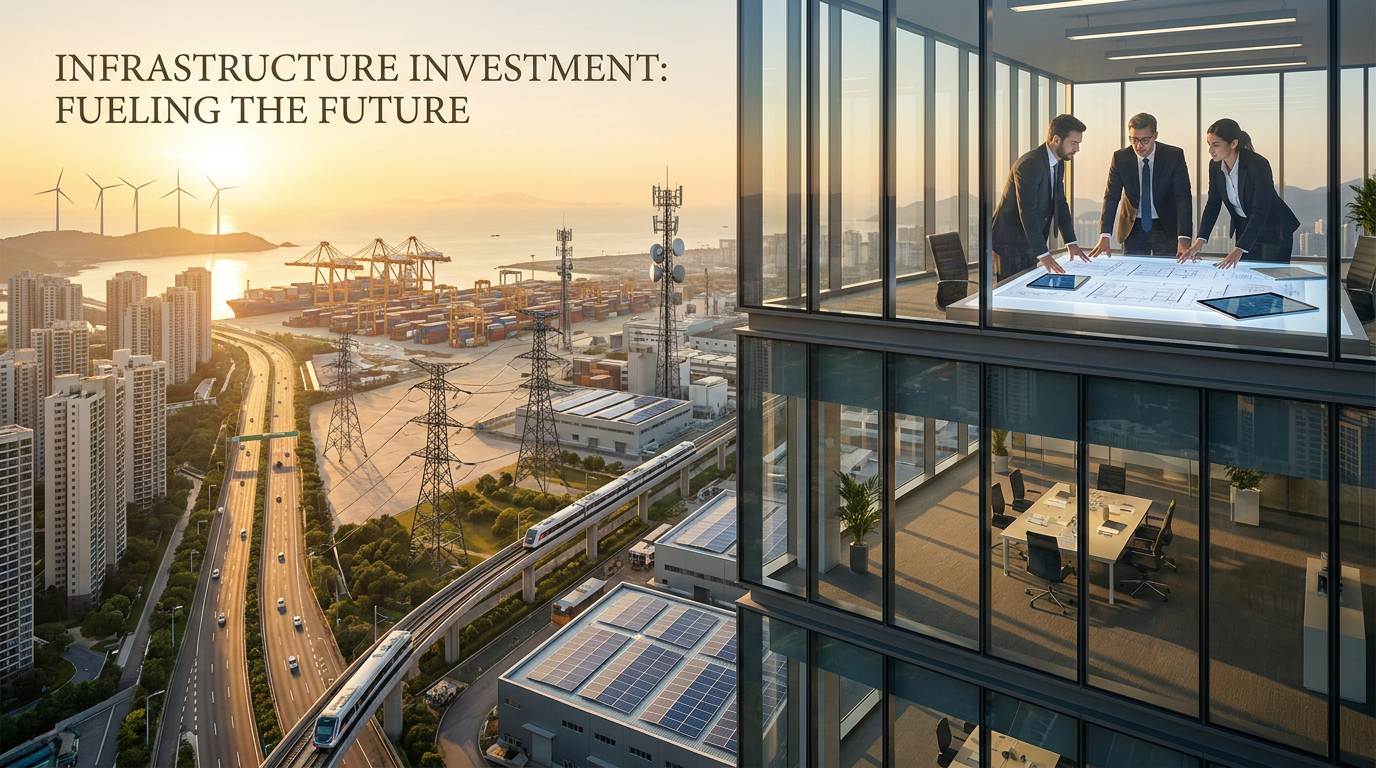
For developers and planners, that shift changes the feasibility equation. Land value will increasingly be shaped not only by location and approvals, but by the depth of surrounding infrastructure, regulatory confidence, construction productivity, water security, mobility access, and climate resilience. A parcel inside a high-growth corridor is no longer enough. The question is whether the urban system around it can support density, service demand, and long-term asset performance.
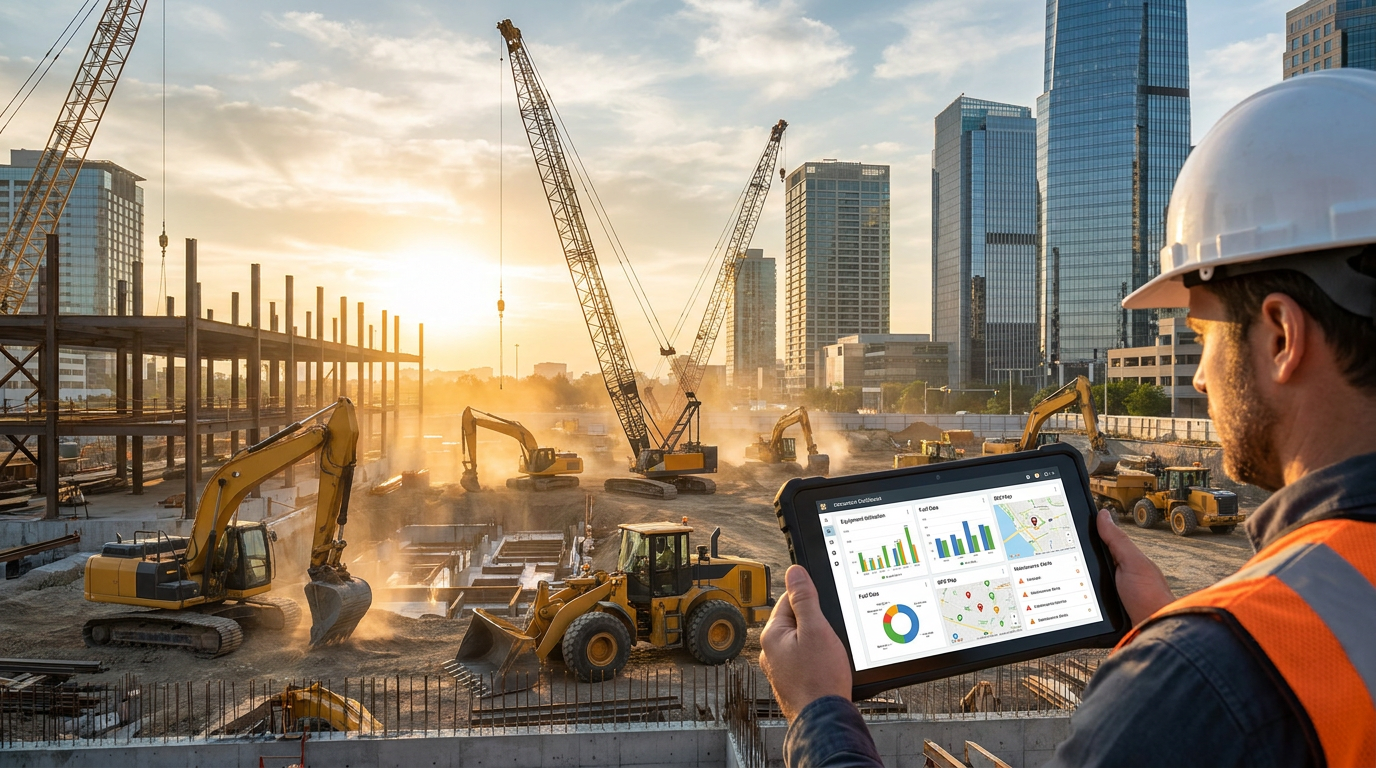
The emphasis on AI and digital platforms points to a coming divide in project execution. Developers that can integrate drone-based monitoring, predictive scheduling, digital compliance systems, and customer-facing transparency will reduce delivery risk and improve capital confidence. In a market where delays can destroy margins and trust, technology is moving from optional enhancement to core operating discipline.
The next advantage in development will belong to firms that can manage land, regulation, infrastructure, and data as one connected system.
The regulatory discussion is equally important. RERA has already changed the trust architecture of Indian real estate by formalising obligations between developers, buyers, and investors. The next stage will likely be more demanding. Stronger compliance, professional standards, and institutional collaboration, including the NAREDCO and ICAI memorandum of understanding, suggest a sector preparing for deeper scrutiny and greater transparency. For serious capital, that is positive. For weak operators, it raises the cost of informality.
Gurugram’s role in the NextGen NCR sessions is particularly instructive. The city has become one of India’s strongest private-sector growth engines, but its next phase depends on issues that sit beyond any individual project boundary: drainage, last-mile connectivity, water security, walkability, and inter-agency execution. This is the central lesson for high-growth urban markets. Private development can create economic gravity, but public systems decide whether that growth becomes a world-class city or a congested asset cluster.
The discussion around steel-based construction, sustainable materials, and industrialised building systems also reflects a practical constraint: India’s urbanisation will require speed without consuming land inefficiently. Vertical growth, faster assembly, recyclable materials, and improved labour productivity are becoming strategic requirements. Skill development is not a social add-on in this context. It is a supply-side necessity. Without a trained workforce, even the best-zoned land will struggle to convert into delivered housing and infrastructure at scale.
What should developers, planners, and investors watch from here? First, how quickly urban governance becomes integrated across agencies. Second, whether AI and construction technology move from conference consensus into procurement, approvals, monitoring, and financing. Third, whether cities like Gurugram can align master planning with on-ground execution. India’s real estate opportunity is immense, but the winners will be those who understand that the next decade is not only about building more. It is about building within systems that can endure growth.
Source: The Tribune