


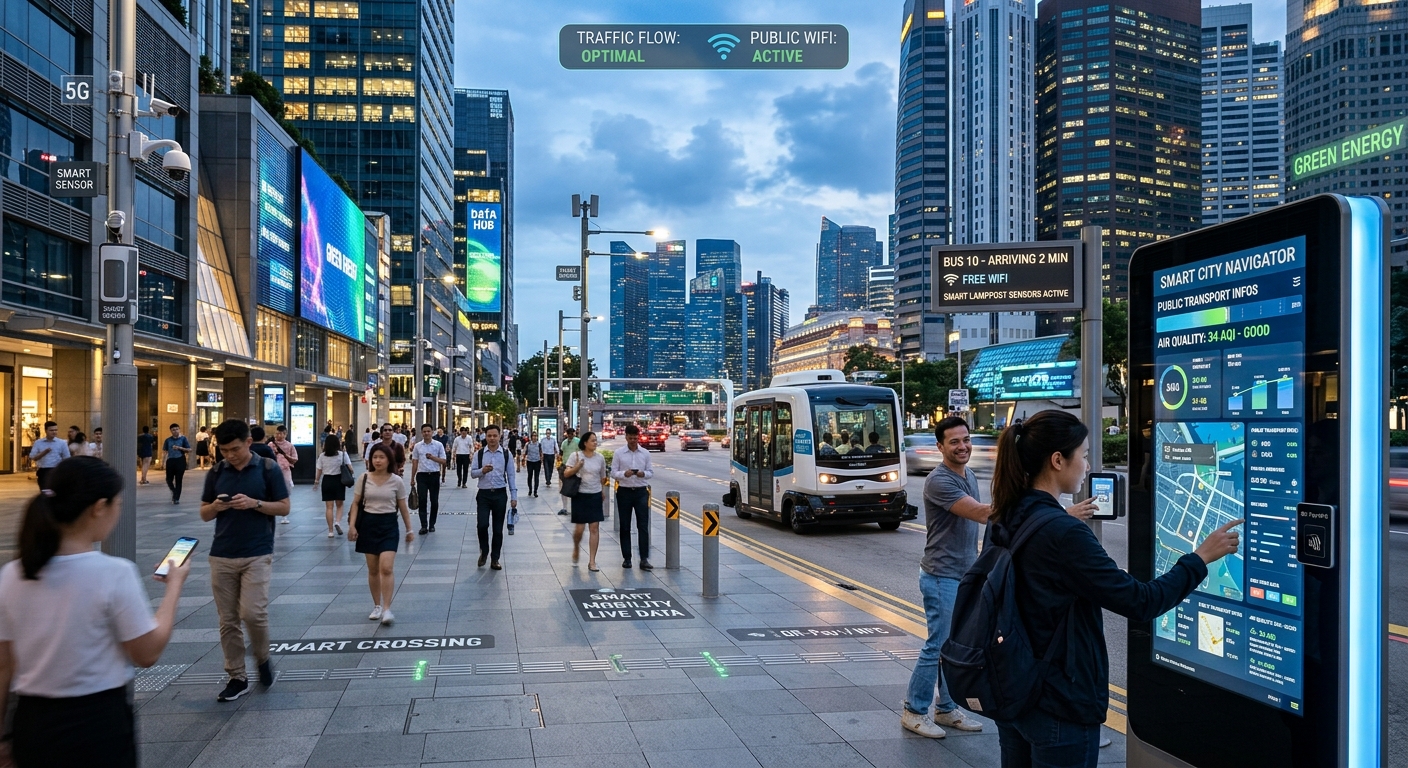
Transforming Everyday Life: The Impact of AI Assistants on Modern Workspaces
The advent of artificial intelligence (AI) has ushered in a new era marked by intelligent systems designed to assist, augment, and empower human capabilities. Among these innovations, AI assistants have emerged as transformative tools that are reshaping both our daily lives and work environments. From managing personal schedules to enhancing workplace productivity, AI assistants are becoming ubiquitous in various settings, suggesting that their utility extends beyond mere convenience to fundamentally redefining how we engage with technology.
Table Of Content
- Understanding AI Assistants: What They Are and How They Work
- Technical Mechanisms Behind AI Assistants
- The Impact of AI Assistants on Daily Life
- AI Assistants in Professional Settings: Enhancing Productivity
- Productivity Gains and Challenges
- Looking Ahead: The Future of AI Assistants and Their Potential
- Conclusion
This article utilizes a comprehensive examination of how these AI-driven tools are being seamlessly integrated into our lives. We will explore their implications for user experience, productivity enhancements, and potential trajectories for the future of AI in our workspaces.
Understanding AI Assistants: What They Are and How They Work
To appreciate the impact of AI assistants, it is essential to understand what they are. AI assistants, often powered by machine learning and natural language processing, are software applications designed to understand and perform tasks for users through voice or text commands. These assistants can range from consumer-oriented applications like Apple’s Siri and Amazon’s Alexa to more specialized enterprise systems that integrate with productivity software.
At their core, AI assistants leverage vast amounts of data and algorithms to learn from user interactions. They utilize machine learning models that recognize patterns in user behavior, adapt to individual preferences, and continually improve performance over time. For example, a user may ask their assistant to schedule meetings, set reminders, or compose emails. Through these interactions, the AI learns user preferences, making it increasingly efficient in anticipating future needs.
Technical Mechanisms Behind AI Assistants
The technical architecture of AI assistants typically includes components like speech recognition, natural language understanding, and response generation. Speech recognition allows the assistant to transcribe spoken words into text, while natural language understanding helps it interpret the user’s intent. Finally, response generation enables the assistant to present information or perform actions in a human-readable format. This blend of technologies facilitates a seamless interaction between humans and machines, enriching user experiences.
The Impact of AI Assistants on Daily Life
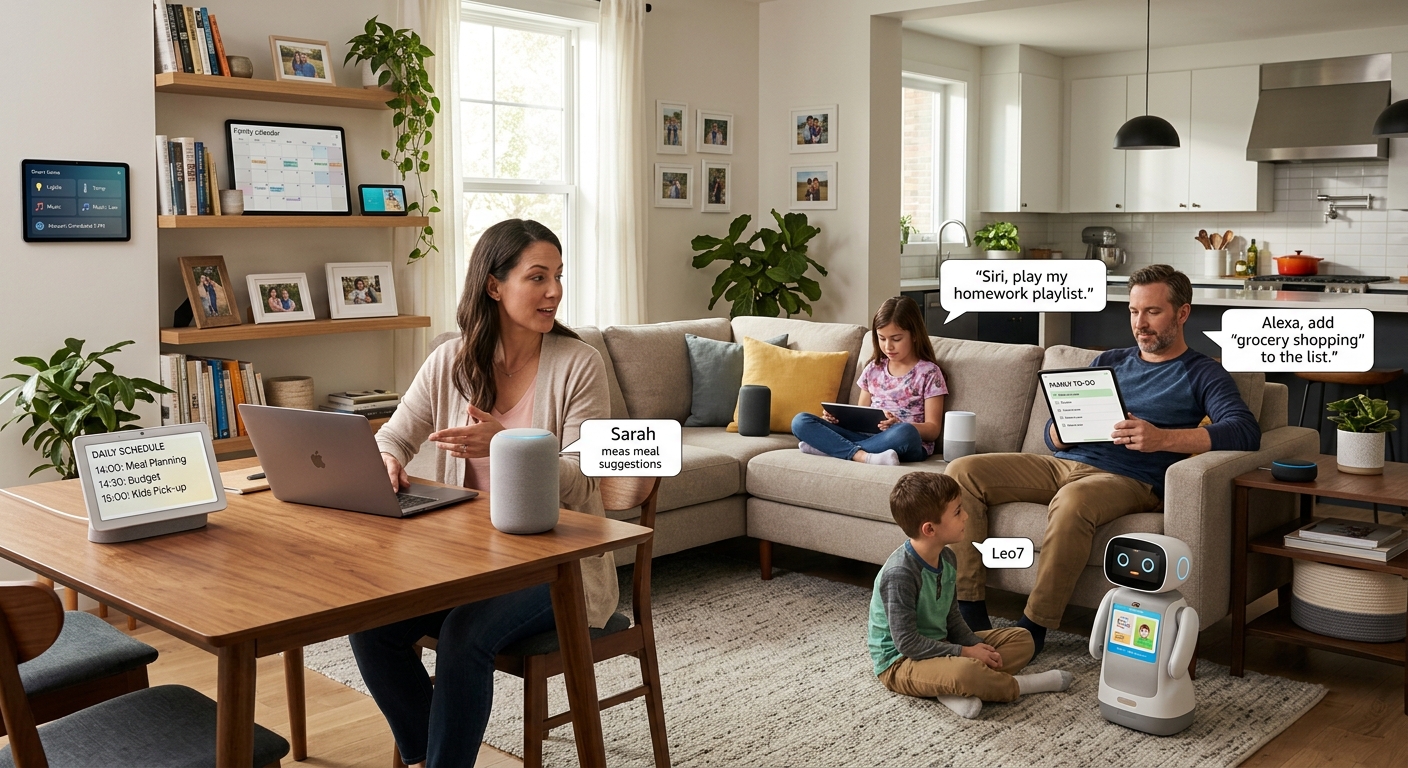
AI assistants have penetrated various facets of daily life, making them indispensable companions for many users. They have adapted to different environments, assisting individuals in managing time, enhancing decision-making, and simplifying complex tasks.
In the realm of personal organization, AI assistants act as digital concierges that streamline daily routines. They manage calendars, send reminders, and help with task prioritization by determining what is most critical for users. A study from Statistics Canada indicated that the adoption of AI across firms is expected to rise significantly, highlighting how businesses are leveraging these technologies to not only improve internal operations but also enhance customer experiences.

AI assistants also facilitate enhanced communication, allowing users to send messages or make calls effortlessly. They can connect to various communication platforms, ensuring that messages are sent and received in real time. This capability reinforces connectivity in an increasingly digital world where seamless communication is pivotal for personal and professional success.
Moreover, AI assistants offer personalized experiences that cater to individual preferences. Through ongoing learning, these technologies can recommend products, suggest entertainment options, and even tailor responses based on unique user profiles. This personalization contributes to a more engaging interaction, ensuring that users feel acknowledged and understood.
AI Assistants in Professional Settings: Enhancing Productivity
The integration of AI assistants in professional environments is particularly notable for their ability to enhance productivity across numerous industries. As companies continue to adopt AI technologies, they experience noteworthy increases in efficiency—often translating to direct impacts on the bottom line.
According to Microsoft Research, organizations that adopted large language model-powered tools like Copilot have seen significant productivity boosts. These tools assist employees by automating repetitive tasks such as data entry, report generation, and customer interaction management. Such automation allows team members to allocate their time toward higher-order problem-solving and creative endeavors that require human intelligence.
Furthermore, AI assistants facilitate collaboration across teams, improving the flow of information and enhancing decision-making processes. By analyzing data and presenting insights, these tools support informed decision-making, enabling professionals to respond quickly to emerging trends and market shifts. The application of AI assistants in such contexts showcases their potential to not only improve workflows but also foster a culture of innovation.
Productivity Gains and Challenges
Despite the promising productivity gains associated with AI-assisted tools, realizing their full potential is contingent upon a company’s adoption strategy. Large-scale surveys conducted by McKinsey reveal that while executives maintain high expectations for AI-driven productivity improvements, success often hinges on effective implementation and training. This reflects the nuanced reality that while awareness of AI tools is high, the actual integration into everyday workflows requires thoughtful planning and governance.
The interplay between AI capabilities and organizational readiness also factors into the productivity equation. Businesses that are willing to invest in upskilling their workforce and developing a robust IT infrastructure are more likely to experience substantial benefits from AI integration. This investment not only fosters a more competent workforce but also cultivates an environment where employees feel empowered to leverage these technologies effectively.
Looking Ahead: The Future of AI Assistants and Their Potential
The trajectory of AI development is leaning toward increasingly sophisticated assistants capable of undertaking more complex tasks with minimal human intervention. The emerging concept of agentic AI—autonomous AI agents that can operate independently—holds significant promise for the future. While this design paradigm suggests exciting operational capabilities, it also raises critical questions about ethics and governance, particularly concerning privacy and the potential for misuse.
The issues surrounding privacy are paramount as policymakers and corporate leaders grapple with how best to utilize AI technologies without infringing on individual rights or compromising sensitive data. In Canada, the emphasis on responsible and privacy-protective use of generative AI is articulated through national strategies aimed at balancing innovation with accountability. The government’s recent funding initiatives, including the Canadian Sovereign AI Compute Strategy, reflect the commitment to expanding domestic AI capacities while ensuring ethical safeguards are in place.
Moreover, as AI assistants gain broader acceptance, developing clear guidelines for their usage will be essential. Organizations must proactively address concerns regarding data security and the ethical implications of AI’s capabilities. This focus on governance is imperative in fostering trust among stakeholders and ensuring that AI assistants complement human efforts rather than supplant them.
Conclusion
AI assistants are no longer a niche technology; they are integral to our daily and professional interactions. As we embrace the potential of these technologies, it is essential to recognize the foundational role they play in enhancing productivity and personal organization. The holistic integration of AI assistants into workspaces and everyday life reflects a broader trend toward smarter, more efficient interactions between humans and machines.
Looking ahead, the continued evolution of AI assistants will depend on our collective ability to address the challenges they present while fully realizing their potential. From navigating governance to prioritizing user-friendly designs, the journey with AI assistants is just beginning. As we advance, it is imperative that we do so with a forward-thinking approach that balances technological advancement with ethical considerations and user experience.



No Comment! Be the first one.