
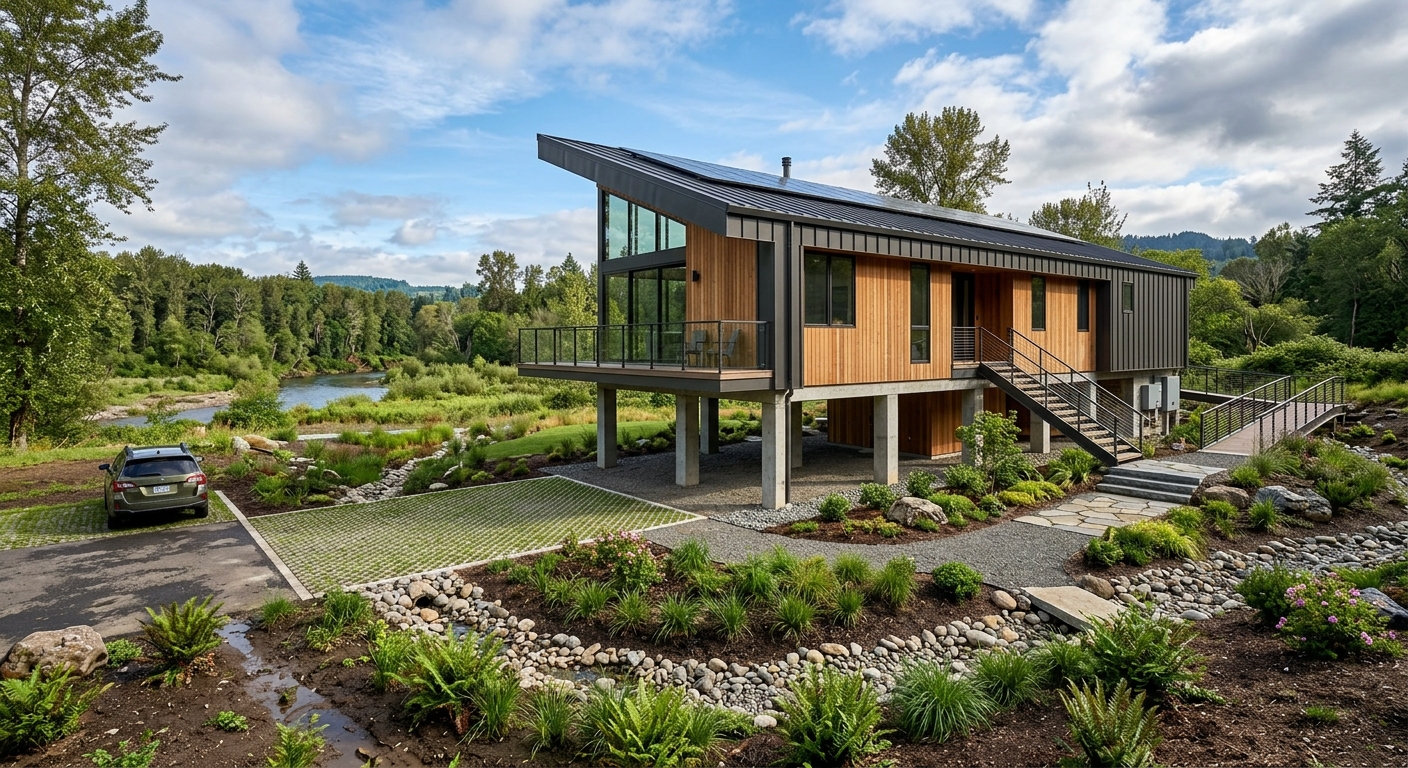


Understanding Lightweight Structures: Benefits and Applications in Modern Construction
In contemporary construction, the shift toward lightweight structures has transformed the way buildings are designed and erected. These structures offer a variety of benefits, including enhanced construction efficiency, reduced costs, and contributions to sustainable building practices. Understanding lightweight structures and their applications is crucial for both homeowners looking to renovate and construction professionals seeking to optimize their projects.
Table Of Content
What are Lightweight Structures?
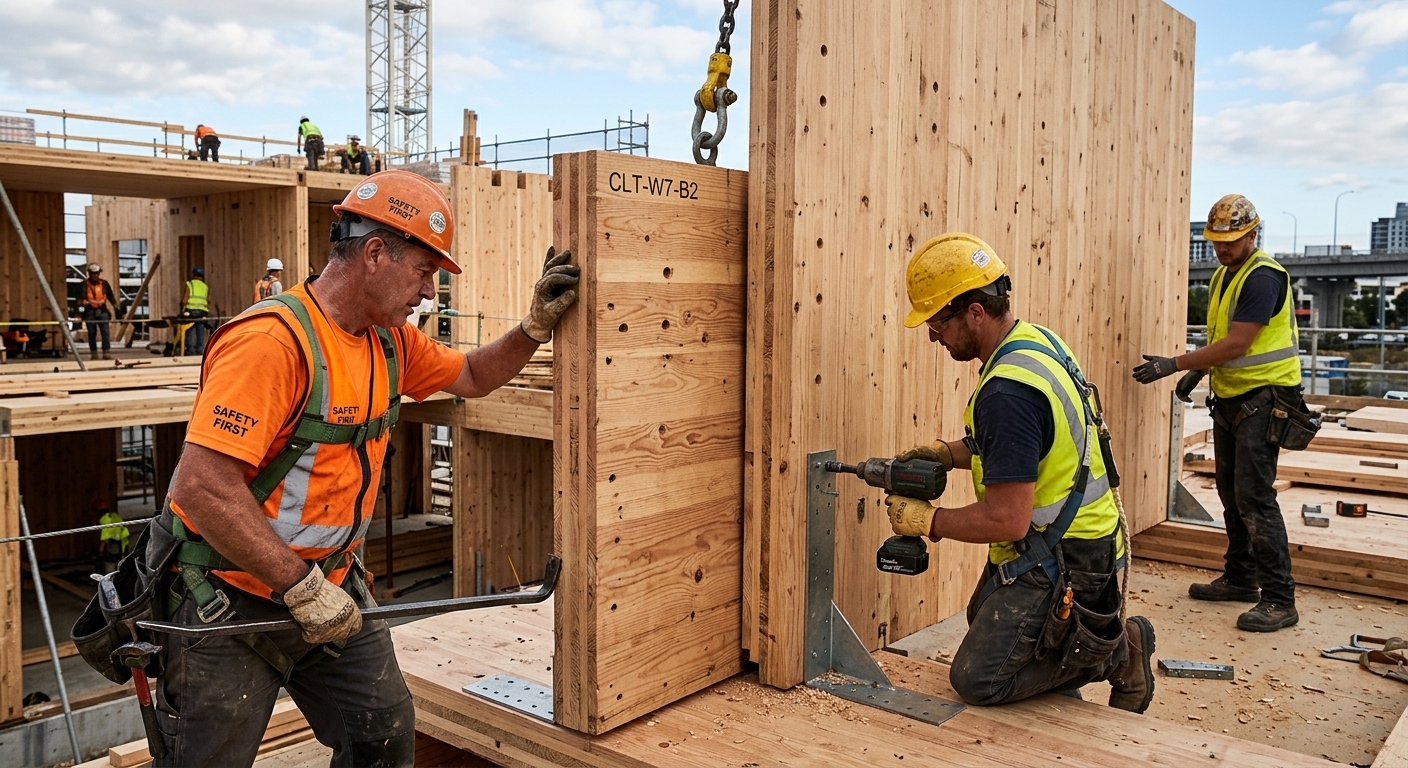
Lightweight structures are engineered to minimize the dead loads—that is, the permanent weight of the structure itself—allowing for innovative designs and faster construction processes. Unlike traditional heavy-frame buildings that rely on dense materials, lightweight structures utilize advanced materials and systems that provide structural integrity without the added weight. Some of the most common lightweight options include mass timber systems such as cross-laminated timber (CLT) and glulam, light-gauge steel framing, structural insulated panels (SIPs), and structural lightweight concrete (SLWC).
Each of these systems presents its own blend of speed, efficiency, and performance characteristics, which support the growing trend towards low-carbon construction in North America. This shift is not only about using less material—it’s about using better materials that lead to more sustainable, efficient, and resilient buildings.
Benefits of Lightweight Structures in Construction
One of the primary advantages of lightweight structures is their significant reduction in dead loads, which can transform not just the design of buildings but also their construction timelines and costs. First and foremost, by reducing the weight of the building materials, construction teams can often work more rapidly and with less risk than they would encounter with heavier systems.
This reduction in weight translates directly to cost efficiencies as well. Lighter materials often demand less intensive foundation work, allowing construction teams to utilize smaller, less expensive foundations for their buildings. For instance, structural lightweight concrete can be 25% to 30% lighter than traditional concrete, thus enabling additional floors in existing buildings or minimizing the foundation load in new builds.
Moreover, lightweight construction technologies support innovative building practices such as modular construction, where sections of buildings are fabricated off-site and then transported for rapid assembly on-site. This method not only reduces on-site construction time but also improves quality control since components can be manufactured in a controlled environment.
Furthermore, lightweight structures often embody advanced energy performance characteristics. For instance, structural insulated panels (SIPs), which consist of rigid insulation cores sandwiched between oriented strand board (OSB) skins, maximize thermal performance while minimizing thermal bridging. While the upfront costs of SIPs can be higher than traditional stick framing in some cases, the long-term savings on energy bills and the overall sustainability of the building make them an attractive option.
Common Materials Used in Lightweight Construction
Lightweight structures rely on specific materials known for their strength-to-weight ratio. Among these, mass timber has gained significant traction, particularly in Canada. Cross-laminated timber (CLT) and glulam are particularly notable for their use in taller buildings, offering a sustainable alternative to concrete and steel at mid-rise and high-rise applications. CLT panels are typically available in thicknesses ranging from 100 mm to 300 mm and can span significant lengths, allowing for rapid installation of floor, wall, and roof elements.
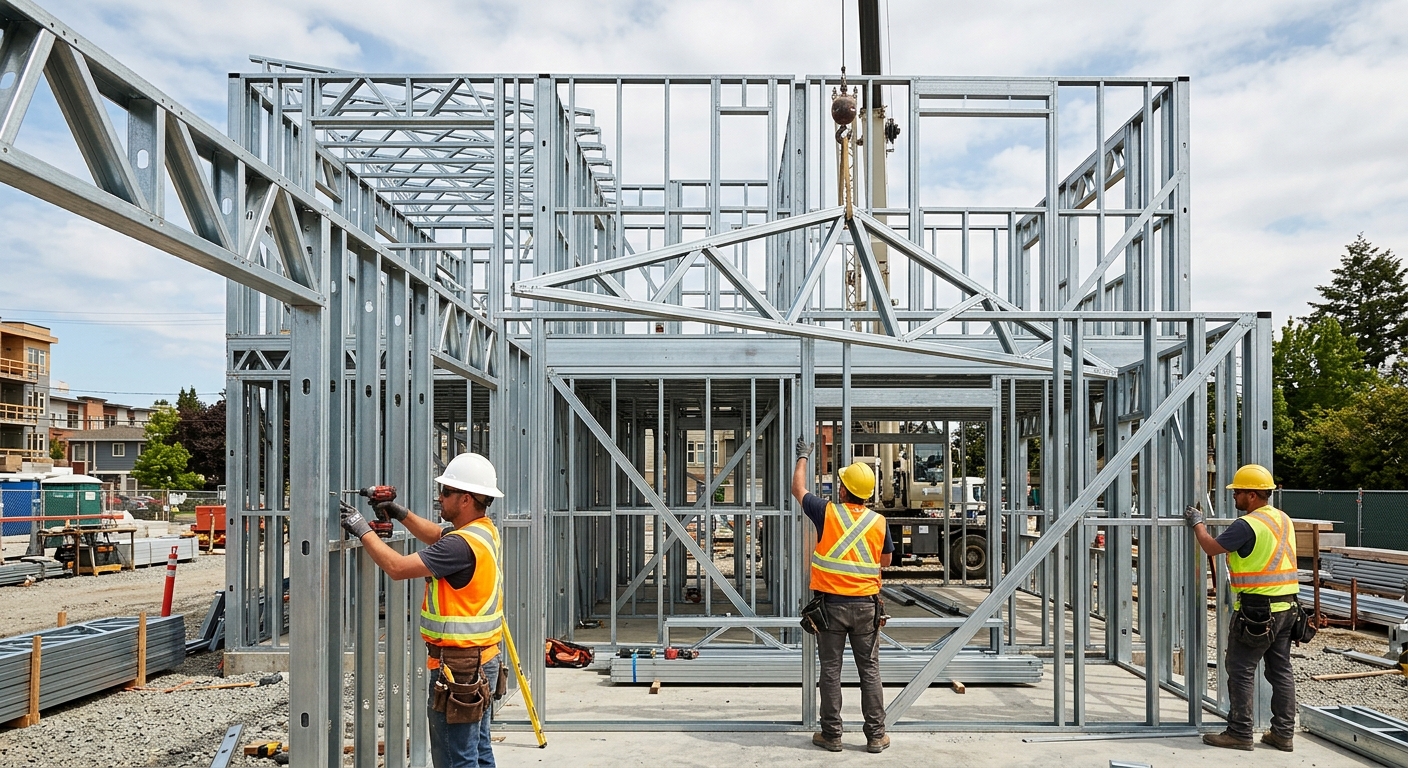
Light-gauge steel framing (LGSF) also plays an essential role in lightweight construction. This system features extremely thin sheets of steel shaped into structural components, offering significant strength while being lighter than traditional framing. Steel structures provide predictable fabrication processes and advantages regarding fire resistance and corrosion, leading to faster construction times and potentially lower overall project costs.
Furthermore, structural lightweight concrete (SLWC) incorporates aggregates that reduce the total weight while retaining strength and durability. SLWC is particularly effective in addressing the load limitations of existing structures during retrofits without sacrificing structural integrity. This innovative building material is applicable in a variety of contexts, providing flexibility in design and execution.
Practical Applications and Case Studies
The benefits of lightweight structures can be observed in various applications throughout the construction industry. An exemplary case is the increasing popularity of mass timber in urban development. The Canadian government has actively supported the construction of mass-timber buildings through programs and codes that facilitate taller wood structures. For instance, in Vancouver, multiple buildings have been erected using cross-laminated timber, meeting stringent building codes and showcasing the design flexibility and sustainability of this approach.
In Canada, CLT systems are backed by national programs and government agencies that strive to promote wood’s utility in construction. This infrastructure support has led to various successful projects, with a clear upward trajectory in the completion of mass-timber buildings from 2022 to 2023. As cities undergo renovations and expansions, these lightweight systems prove invaluable, optimizing use throughout the life cycle of constructions.
Moreover, beyond Canada, the United States also observes a growing trend toward utilizing lightweight materials such as light-gauge steel and mass timber in various projects. Several industry groups advocate for their use, emphasizing that these systems can accelerate construction schedules, making building faster and thereby reducing on-site risks. This newfound agility is crucial in an industry that often battles time constraints and budget restrictions.
In addition to rapid construction, lightweight systems provide resilience to environmental challenges. Research in fire performance and seismic resilience has shown that CLT and other mass timber structures can safely meet necessary performance targets when correctly designed and implemented. This addresses the lingering misconceptions some may have about timber safety in multi-story construction. Incorporating engineered wood products in resilience-focused designs enhances the adaptability of buildings.
Conclusion
As the construction industry moves forward, the advantages of lightweight structures are becoming increasingly clear. With their ability to support sustainable building practices, reduce costs, and enhance construction efficiency, these systems are paving the way for future developments. Whether through mass timber, light-gauge steel framing, or innovative concrete solutions, lightweight materials are set to play a key role in reshaping how we build.
For homeowners considering renovations or professionals looking to optimize their construction projects, understanding lightweight structures and their applications is essential. The combination of durable, sustainable materials and modern design approaches leads to buildings that not only meet current demands but also anticipate future challenges. By embracing these technologies, stakeholders can contribute to a more efficient, resilient, and eco-friendly future in construction.



No Comment! Be the first one.