
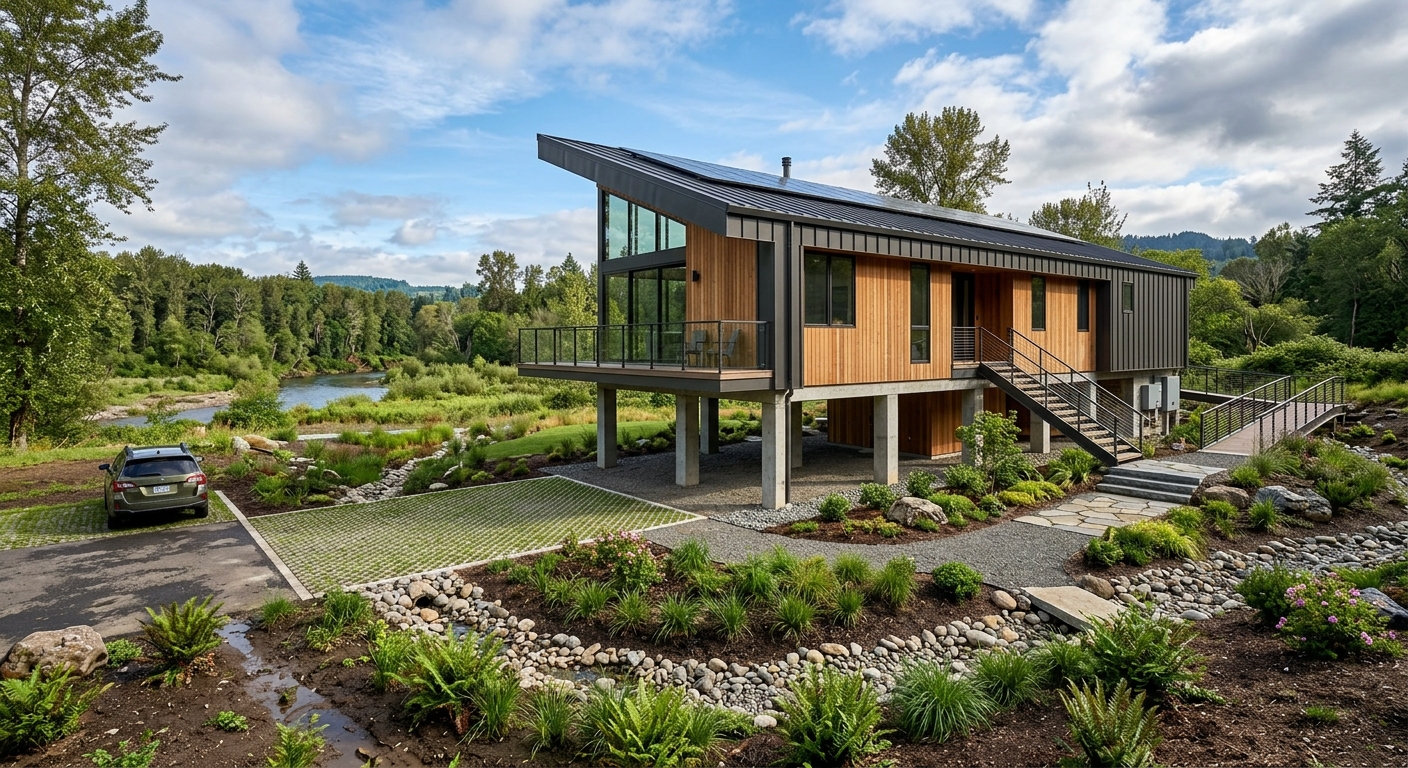


Understanding Minimal Architecture: Embracing Simplicity in Design
The quest for elegance often leads us down paths where less is undeniably more. In architecture, minimal architecture resonates with this ideology, proving that simplicity and functionality can create strikingly beautiful environments. This article provides an in-depth exploration of minimal architecture’s principles, key characteristics, and its practical implications for designing modern living spaces. As we journey through this minimalistic framework, we will discover how a minimized approach can cultivate sanctuaries of creativity and clarity.
Table Of Content
Defining Minimal Architecture
Minimal architecture champions clarity, restraint, and function. It draws on a design philosophy that uses pared-back forms, honest materials, and deliberate light to create serene environments. The conceptual roots of minimalism trace back to the modernist movement, embodying notions of ‘less is more’—a phrase famously articulated by the iconic architect Ludwig Mies van der Rohe. This distilled approach to design prioritizes essential qualities of space, emphasizing the idea that every element should serve a defined purpose.
At its core, minimalism dictates that ornamentation is unnecessary; beauty derives from the harmony of proportion, space, and light. Spaces articulated in minimal architecture are legible and calming, often eliminating distractions that detract from the experience of the space. Canadian architects and designers have adeptly interpreted these ideas within local contexts, crafting approachable strategies for implementing minimalism in everyday homes.
Key Characteristics of Minimal Design
The ethos of minimal architecture rests on several key characteristics, which coalesce to create its distinct aesthetic and functional appeal. Firstly, form follows function—a foundational tenet that dictates that the shape and structure of a building should primarily be determined by its intended purpose. This principle ensures clarity, as each feature serves to enhance functionality.
Secondly, minimalism emphasizes restraint in ornament. The architecture is devoid of superfluous embellishments, allowing the pure form of the structure to take center stage. This restraint invites occupants and visitors to engage with the space itself, fostering appreciation for intrinsic beauty.
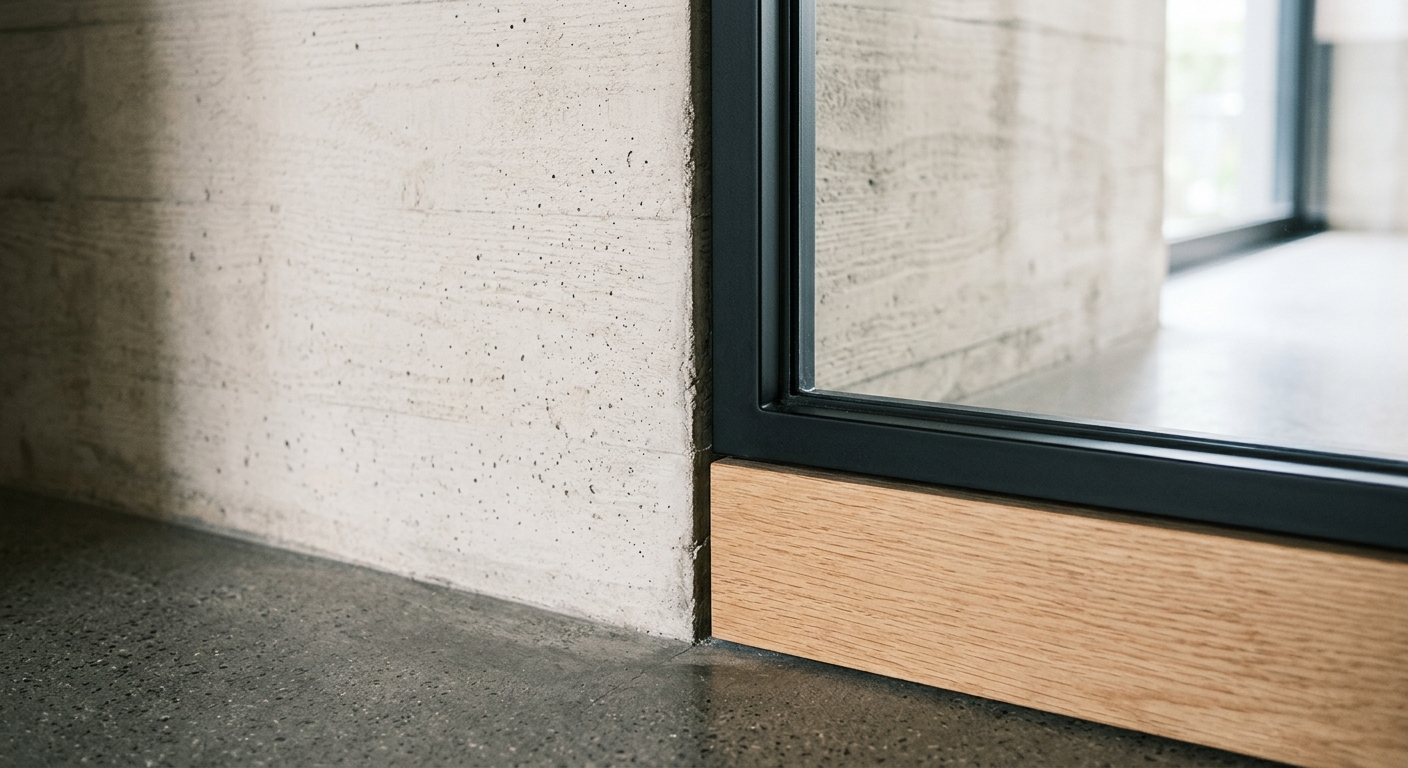
Another pivotal characteristic is the reliance on a refined material palette. Designers often employ honest materials such as wood, concrete, or steel, celebrating their natural qualities. Textured surfaces and nuanced details come into play, generating a tactile experience and enhancing the richness of the minimalist narrative.
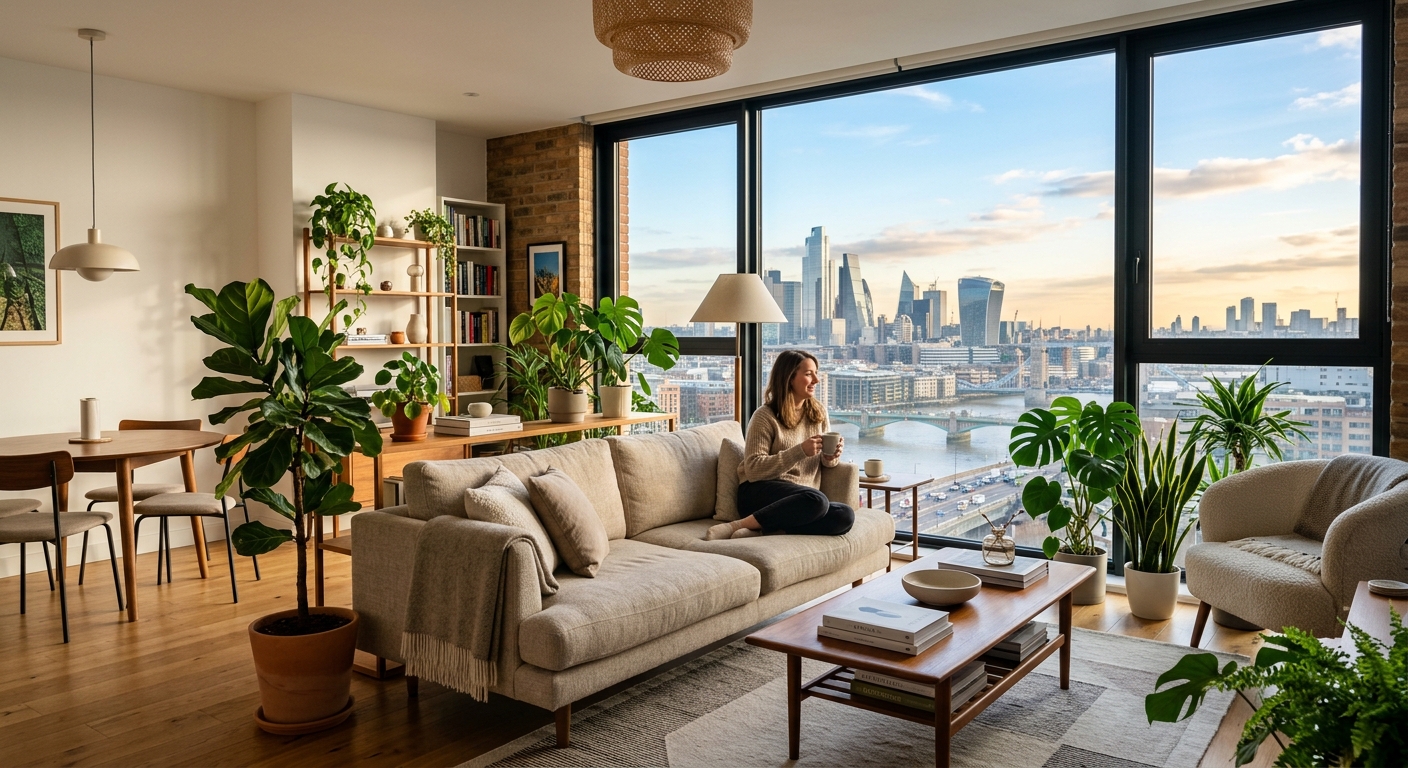
Lastly, the use of light in minimal architecture cannot be overstated. Deliberate placements of windows, skylights, and open spaces create luminous interiors that breathe life into the design. By harnessing daylight, architects can manipulate how spaces are perceived, maximizing openness without increasing physical footprint.
The Benefits of Simplicity in Living Spaces
In our increasingly cluttered world, simplicity in living spaces emerges as a sanctuary for tranquility. Minimal architecture provides several compelling benefits, contributing to both physical and psychological comfort. One of the most profound effects of minimalism is its ability to enhance clarity and focus. By stripping away the extraneous, we create environments that foster creativity and productivity.
Furthermore, minimal living spaces facilitate easier maintenance. With fewer items to clean and organize, occupants can devote less time to upkeep and more time to enjoying their surroundings. Similarly, this efficiency extends to energy consumption; minimalist designs aim for sustainability by incorporating energy-efficient materials and systems.
Another essential benefit is the flexibility inherent in minimalist design. Open floor plans and multifunctional areas encourage adaptable usage, allowing spaces to morph according to needs, be it solitude, gathering, or creativity. The adaptability speeds up our responses to changing lifestyles and facilitates harmonious living.
How to Incorporate Minimal Architecture into Your Home
Embracing minimal architecture within your own home can feel like an ambitious endeavor, but it is, in fact, quite attainable. Start by assessing your existing space—identify areas laden with clutter or unnecessary items. This analysis is fundamental in determining what serves you and what detracts from the harmony of your home.
Once you have a clearer vision of essential items, focus on decluttering. Keep only items that resonate with your personal aesthetic or serve a specific function. This process creates more room for breathability and light. You might find that less furniture results in a more elegant and spacious feel.
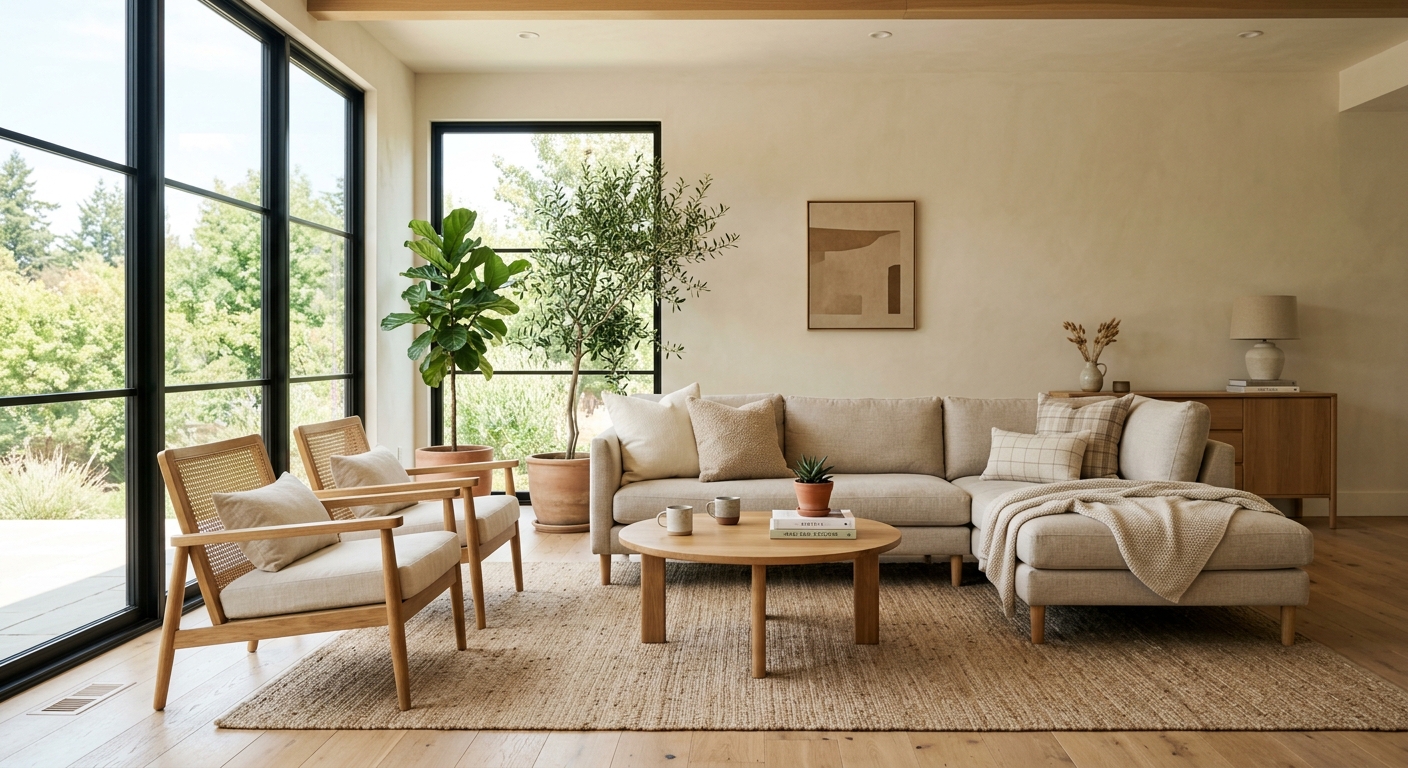
Next, consider your color palette. Minimalism often employs a restrained color scheme, favoring neutral tones that can enhance light and reflect a calm atmosphere. Utilize whites, beiges, and soft grays as your base palette, incorporating pops of color through carefully chosen accessories or art, enhancing emotional resonance without overwhelming sensory experiences.
Integrate natural materials into your design choices. Whether it’s wooden flooring, stone countertops, or organic fabrics, these elements enhance the tactile and aesthetic qualities of each room. Allow structural elements to remain visible, as showcasing honest materials aligns with minimal architectural philosophy.
Lastly, maximize natural light in your home by employing window treatments that permit maximum exposure. Large windows, sliding glass doors, or even strategically placed mirrors can amplify daylight, making spaces feel airy and expansive.
Conclusion
In conclusion, the journey towards minimal architecture is one that invites elegance, functionality, and self-expression. By embracing simplicity in design, one can achieve a serene and stylish home without succumbing to the weight of excess. The study of minimalism in architecture reveals not only timeless principles but also practical applications suitable for contemporary living.
As demonstrated through Canadian and North American examples, minimal architecture isn’t merely a style; it is a philosophy that nurtures emotional and spatial clarity. The intertwining of aesthetics and function through restraint enables us to celebrate our surroundings and encourages deeper connections with our living spaces. Therefore, let us embark on this journey of simplification—an embrace of less, yielding more profound beauty in our lives.

No Comment! Be the first one.