
The Bathroom Is Becoming the Softest Room in the House
The most interesting bathrooms today are no longer trying to look like hotels. They are becoming more intimate, more decorated, and more emotionally precise. In a recent glimpse of Pamela Anderson’s Vancouver Island bathroom, reported by Homes & Gardens, the room is not treated as a sterile zone of tile and polish. It is composed like a small sitting room, with warmth, memory, and a certain domestic romance.
What makes the space compelling is its refusal to separate utility from atmosphere. A bathtub remains a bathtub, but the design language around it shifts the experience entirely. Burgundy paneling gives the room depth and enclosure. Cream walls allow the color to breathe. A crystal chandelier introduces a note of ceremony above an otherwise practical fixture. These are not extravagant gestures on their own, but together they change the bathroom’s emotional register.
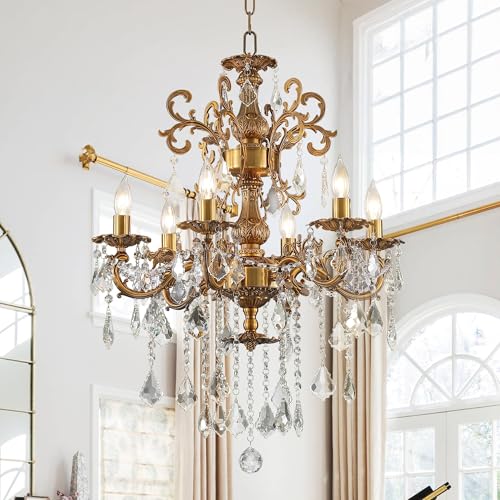
The chandelier is especially important. In many contemporary bathrooms, lighting is reduced to task: clear, bright, efficient. Anderson’s choice suggests something softer. Crystal catches light rather than simply delivering it. It scatters brightness across surfaces, lending movement to a room that might otherwise feel flat. Above a bath, this kind of fixture turns routine into ritual, not by excess but by placement.
The deeper design lesson lies in the use of traditionally “living room” elements. A subtle gallery wall with mismatched frames gives the bathroom narrative. Framed images in a washroom can feel surprising because we are accustomed to seeing only mirrors, towel bars, and recessed storage. Yet artwork does something those elements cannot. It slows the eye. It suggests that the room is not merely passed through, but inhabited.
This is part of a larger movement away from clinical minimalism and toward decorated functionality. The bathroom is still expected to perform beautifully, but it is now allowed to carry texture, patina, and personal reference. Paneling, in particular, brings architectural weight. It breaks up expanses of wall, introduces rhythm, and gives color a more deliberate surface. In burgundy, the effect is cocooning rather than dramatic.
A beautiful bathroom does not need to imitate a spa. It can feel like the most private room in the home.
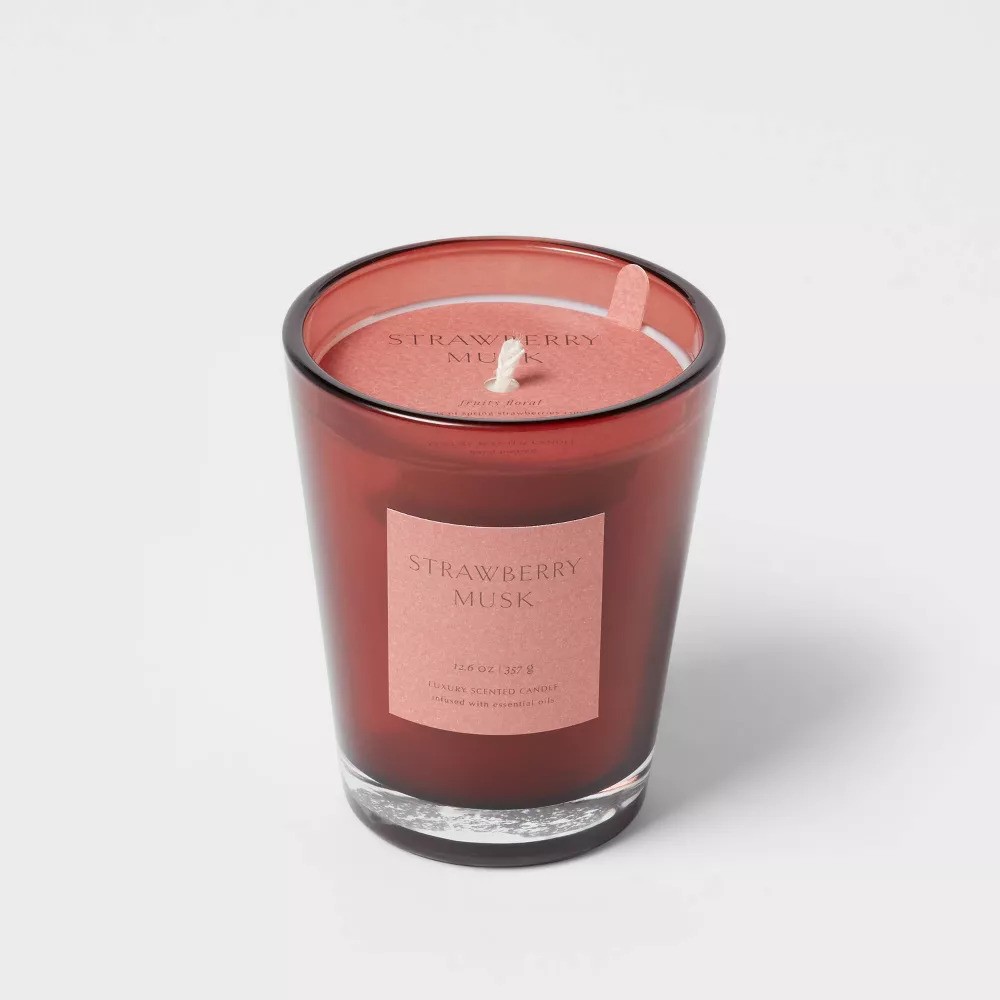
The berry tone also feels timely. Red has returned to interiors, but the most elegant versions are softened: oxblood, wine, cherry, damson, and deep rose. These shades offer warmth without the visual aggression of primary red. Used as trim, paneling, a lamp base, a candle vessel, or even a frame detail, they give a pale bathroom a point of gravity.
For design-minded homeowners, the idea is not to copy a celebrity bathroom piece by piece. It is to question the hierarchy of rooms. Why should softness belong only to bedrooms? Why should art stop at the hallway? Why should the bath, a place of restoration, be denied the language of comfort?
The direction is clear: bathrooms are becoming more residential, more layered, and more personal. The most memorable ones will not be defined by expensive stone alone, but by proportion, light, color, and the courage to let a functional space feel fully human.
Source: Homes & Gardens